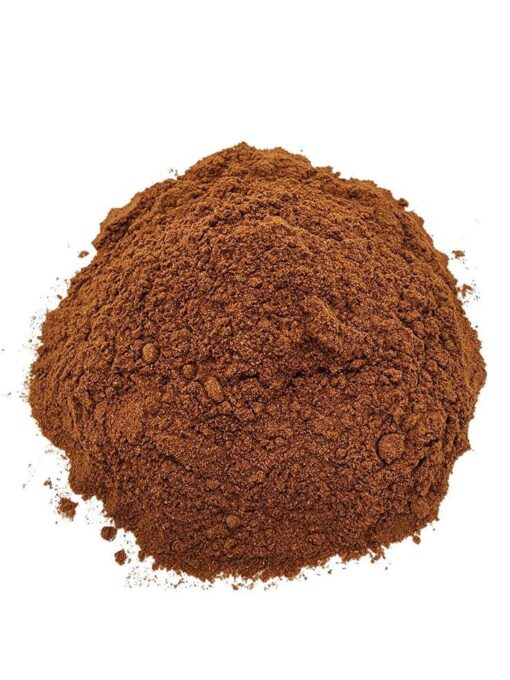
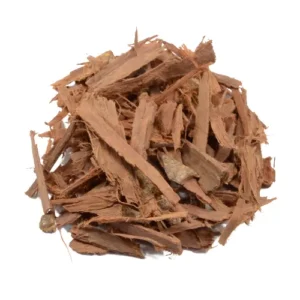
Acacia Confusa Root Bark Powder
Acacia Confusa Root Bark Powder comes from the roots of the Acacia confusa tree, a perennial evergreen native to Southeast Asia, particularly Taiwan, southern China, and parts of the Philippines. This tree thrives in subtropical climates and has a long history of cultural, botanical, and ethnobotanical significance.
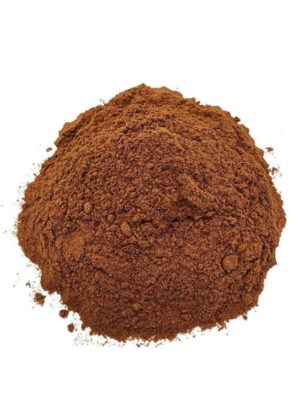
The root bark is carefully harvested, dried, and finely milled into a powder to preserve its natural compounds and make it suitable for research, botanical study, natural dyeing, incense crafting, and traditional herbal reference. Acacia Confusa Root Bark Powder is valued for its deep reddish-brown color, complex alkaloid profile, and dense tannin content.
Collectors, researchers, and herbal enthusiasts appreciate this botanical material for its purity, plant integrity, and historical relevance. When properly sourced and processed, Acacia Confusa Root Bark reflects the natural characteristics of the tree without additives, fillers, or chemical processing.
Traditional Uses of Acacia Confusa Root Bark Powder in Herbal Medicine
Traditional cultures have used Acacia confusa for centuries in various non-industrial contexts. In Taiwanese and Southern Chinese folk traditions, different parts of the tree—including bark, wood, and roots—played roles in herbal systems and daily life.
Historically, practitioners referenced Acacia Confusa Root Bark for:
- Botanical decoctions in traditional herbal records
- Plant-based dyeing of textiles due to its tannin richness
- Ritual incense and aromatic preparations
- Cultural and ceremonial applications
In traditional frameworks, herbalists viewed the root bark as a dense, grounding plant material associated with resilience and longevity. These uses developed long before modern chemical analysis and were based on observation, generational knowledge, and regional practices.
It is important to note that traditional references do not equate to modern medical claims. Today, Acacia Confusa Root Bark Powder is primarily sold for educational, research, and botanical purposes, honoring its cultural heritage while respecting modern regulations.
Chemical Composition: Alkaloids and Other Compounds in Acacia Confusa Root Bark
Scientific interest in Acacia Confusa Root Bark continues to grow. Researchers have identified several naturally occurring compounds within the plant.
First, the root bark contains indole alkaloids. These compounds appear naturally and vary between trees. Factors such as soil, climate, and tree age influence their presence.
Second, the bark contains a high concentration of tannins. These tannins create the bark’s dark color and astringent nature. Therefore, they explain its traditional use in textile dyeing and craft applications.
Additionally, the root bark includes flavonoids and phenolic compounds. These substances help protect the plant from environmental stress. As a result, they contribute to the bark’s long-term stability.
Finally, fibrous plant material such as cellulose and lignin gives the powder its coarse texture. Because of natural variation, no two batches share identical chemical profiles.
The Difference Between Acacia Confusa Root Bark and Other Acacia Species
The Acacia genus includes more than 1,000 species worldwide, many of which differ significantly in chemical makeup, appearance, and traditional use. Acacia Confusa stands apart from other Acacia species in several important ways.
Key distinctions include:
Geographic Origin
Acacia Confusa is native to East and Southeast Asia, while species such as Acacia catechu or Acacia nilotica originate from South Asia, Africa, or Australia.
Root Bark Alkaloid Profile
Unlike many Acacia species used primarily for timber or gum production, Acacia Confusa root bark contains a unique alkaloid spectrum that draws scientific interest.
Color and Texture
Acacia Confusa Root Bark Powder typically exhibits a darker reddish-brown hue compared to lighter or yellow-toned Acacia barks.
Ethnobotanical History
Other Acacia species often appear in Ayurvedic or African traditional medicine, while Acacia Confusa features more prominently in East Asian folk records.
These differences make Acacia Confusa Root Bark a distinct botanical material rather than a generic Acacia product.
How to Store Acacia Confusa Root Bark Powder
Proper storage plays a crucial role in maintaining the quality, freshness, and integrity of Acacia Confusa Root Bark.
Best storage practices include:
- Store in a cool, dry place away from direct sunlight
- Use airtight containers such as glass jars or sealed mylar bags
- Avoid exposure to humidity, which can cause clumping or degradation
- Keep away from strong odors, as the powder can absorb surrounding smells
- Label containers with the purchase date for reference
When stored correctly, Acacia Confusa Root Bark can maintain its botanical characteristics for extended periods without loss of color or aroma.
Acacia Confusa Root Bark Powder vs. Mimosa Hostilis Root Bark Powder: Key Differences
Acacia Confusa Root Bark Powder and Mimosa Hostilis Root Bark Powder often appear in the same discussions, but they differ significantly in origin, composition, and appearance.
Botanical Origin
- Acacia Confusa: Native to East and Southeast Asia
- Mimosa Hostilis (Mimosa tenuiflora): Native to Central and South America
Color and Texture
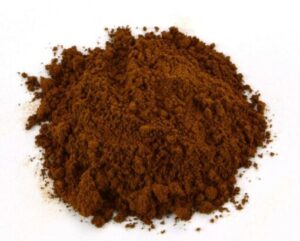
- Acacia Confusa root bark powder is generally darker and more fibrous
- Mimosa Hostilis root bark powder often has a finer texture and deep purple undertones
Alkaloid Distribution
Both plants contain indole alkaloids, but their relative composition and concentration differ due to genetics and growing conditions.
Traditional Uses
- Acacia Confusa has historical ties to East Asian cultural practices
- Mimosa Hostilis is widely known in indigenous South American traditions
Availability and Sustainability
Acacia Confusa is typically harvested from cultivated or managed sources in Asia, while Mimosa Hostilis availability varies by region and harvesting regulations.
These differences make each root bark powder unique, and they are not interchangeable from a botanical or cultural perspective.
FAQs
What is Acacia Confusa Root Bark Powder?
It is a powdered botanical material made from the dried root bark of the Acacia confusa tree.
Is this product natural?
Yes. Reputable suppliers offer 100% pure plant material without additives.
What is it commonly used for?
People use it for botanical research, educational study, natural dyeing, and incense projects.
How does it differ from other Acacia species?
It has a unique alkaloid profile, darker color, and distinct cultural background.
Reviews
There are no reviews yet.